
Designing for Dual Purpose: How Multi-Functional Spaces Attract Buyers
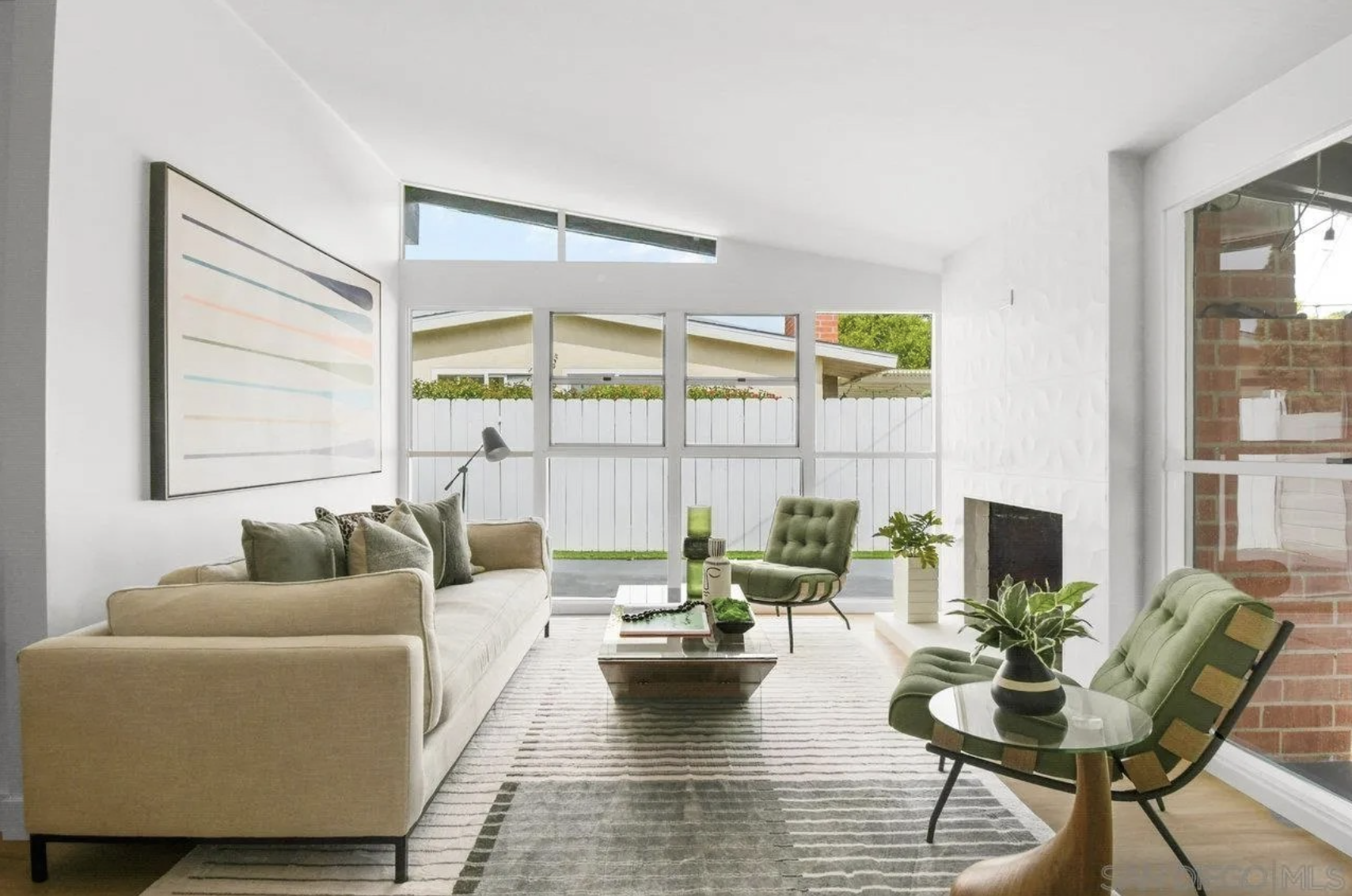
Today’s buyers are practical. They walk through a home and immediately start thinking about how they’ll actually live in it — where they’ll set up a workspace, where the kids will do homework, and whether the dining room can serve double duty on a Tuesday night when the laptop comes out after dinner. Homes that speak to those real-life needs have an edge, and staging is the tool that makes it visible.
Multi-functional spaces are no longer a trend — they’re a buying expectation. Here’s how thoughtful staging can transform in-between rooms into persuasive, livable spaces that resonate with a wide range of buyers.
The Guest Room That Works Two Jobs
Guest rooms that sit empty most of the year are one of the easiest missed opportunities in a home. Buyers see them and think: “Wasted square footage.” But when you stage a guest room to function as both a comfortable bedroom and a quiet workspace, the conversation changes entirely.
A well-placed desk in the corner — nothing oversized, just enough to hold a laptop and a lamp — signals flexibility without cluttering the room. Keep the bed dressed cleanly and position the desk so it doesn’t compete visually with the sleeping area. A small bookshelf or a simple storage piece ties both functions together and makes the space feel intentional rather than improvised.
The goal is to show buyers they don’t have to choose. They can host family for the holidays and still have a dedicated place to work on a Monday morning.
Playrooms That Grow Up
Staging a dedicated playroom is tricky. Buyers with young children may love it, but buyers without kids — or buyers whose children are older — often struggle to see past the function. A smarter approach is to stage playrooms as transitional spaces: part lounge, part activity room. A few principles to keep in mind:
• Keep decor age-neutral. Avoid overtly childish themes. Neutral tones and clean lines let buyers of all life stages project their own vision onto the space.
• Use versatile furniture. A low bookcase filled with a mix of books and simple games, paired with a comfortable reading chair, signals a room that works for kids and adults alike.
• Leave open floor space. An open area that could hold a yoga mat just as easily as building blocks communicates flexibility without over-committing to one use.
• Think ahead. Buyers purchase for where they’re going, not just where they are. A space that feels transitional by design reads as ready for whatever comes next.
The message you’re communicating: this room works right now, and it’ll still work in five years.
The Dining Room That Doubles as a Workspace
Formal dining rooms have become one of the most debated spaces in real estate. Many buyers no longer want a room that sits unused six days a week waiting for a dinner party. That shift creates an opportunity for staging.
A dining table staged with a combination of place settings at one end and a subtle nod to productivity at the other — a closed laptop, a small tray with a notepad and pen — tells a story without committing fully to either use. It plants the idea that this room can host Sunday brunch and a Wednesday afternoon work session with equal ease.
If the room has built-ins or a sideboard, use them to suggest organization — a few books, a small plant, a basket. These small details reinforce that the space can flex without losing its character.
Why This Matters to Buyers Right Now
Remote and hybrid work isn’t going away. Buyers purchasing a home today are often thinking years ahead — about school-aged kids, aging parents who might visit for extended stays, side projects that need a dedicated corner. A home that demonstrates flexibility across its floor plan is one that feels future-ready.
Staging multi-functional spaces isn’t about cramming two purposes into one room. It’s about presenting each space with enough clarity and intention that buyers can immediately see themselves using it — in more than one way. When that connection is made, the home stops feeling like a listing and starts feeling like a fit.
Looking for guidance on how to prepare your property for the market? ECD specializes in staging that connects with buyers and supports stronger outcomes. Reach out to learn more about what’s possible.